
Packages & Pricing
-
Sale!
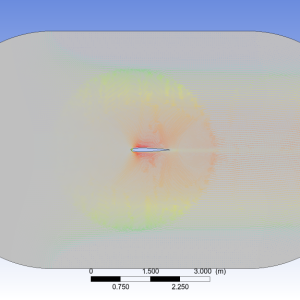
Vendor Project #1
$55.00Original price was: $55.00.$49.99Current price is: $49.99.CFD Analysis of a 2D Simple Airfoil NACA-0009 Steady State Subsonic Flow
Duration: 40 MIN
-
Sale!
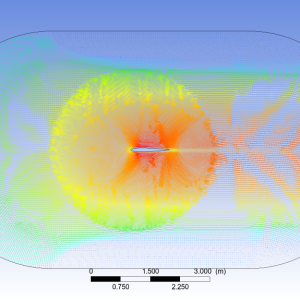
Vendor Project #2
$55.00Original price was: $55.00.$49.99Current price is: $49.99.CFD Analysis of a 2D Simple Airfoil NACA-0009 Steady State Subsonic Flow
Duration : 35 MIN
-
Sale!
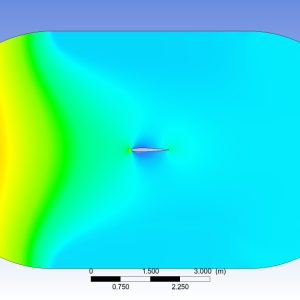
Vendor Project #3
$55.00Original price was: $55.00.$49.99Current price is: $49.99.CFD Analysis of a 2D Simple Airfoil NACA-0009 Steady State Subsonic Flow
Duration : 60 MIN
-
Sale!
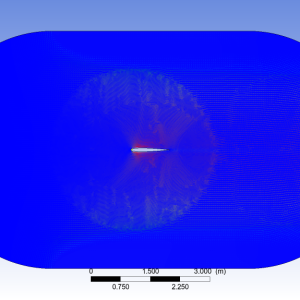
Vendor Project #4
$55.00Original price was: $55.00.$49.99Current price is: $49.99.CFD Analysis of a 2D Simple Airfoil NACA-0009 Steady State Subsonic Flow
Duration : 45 MIN
How are Successful Design and Build Projects “Made”?
We all know some projects come off without a hitch and are a pleasure to be associated with, while others either go wrong or stutter along and somehow end with a bad taste in the mouth. What is the difference, and how can I ensure my project is a success? As a person who specialized in design and build projects over a career spanning 30 years, I would like to share with you my perspective on this topic, listing what I consider the key ingredients for a successful design and build project.

The first crucial ingredient is the customer. The customer shall have a very clear and thorough understanding of its requirements. Without this, any project is likely to end in some form of dissatisfaction. It may seem like simple logic, but I have seen far too many cases where the customer initiated a project, only for it to come undone later on. Typical examples are where the internal stakeholders do not all agree on the project objectives, the project staff do not understand the business drivers thoroughly and therefore the technical specification is lacking in some way, or unrealistic cost and timing expectations. The best way to approach this is to do a proper user requirement specification. It does not need to be a very long document, it just needs to set clear expectations. Describe right up-front what a successful project would look like for you as the customer. What would make you say, “man, this is a great system”? Then, get that reviewed and signed off by all internal stakeholders. This discipline will go a long, long way to ensuring success.
The design staff needs to have a thorough understanding of the customer and his requirements. It sounds like the same point as above, but it is very different. Here I am talking about the need for the designer to familiarize himself with the business and the requirements of the customer. By the end of the project, the designer should know the customer’s business as if it is his own business. The reason is simple, while the customer will do his best to articulate his/her requirements, he hired you as the designer to add value. To do what he or she cannot do. That includes reviewing the design spec and gaining a full understanding of it, to expand on the requirements and help the customer develop it further. For example, there may be technologies the customer was not aware of, there may be better ways of achieving the desired objectives, there may be extended benefits if changes were made to the specification, and so on.
Develop complete solutions. Years ago, I thought it was OK to start building a machine before the design had been fully completed. While I did have success with that, my conclusion is that unless it is an absolute emergency, the design should as a rule be complete to the last detail before manufacturing of it starts. To think the guys on the shopfloor can sort this out, or during commissioning, is ridiculous. It is far easier and less costly to do things on a computer screen rather than on the shop floor!
Review, review, review. In the West, we tend to make snap decisions and as a result, implementation is slow – relevant issues have been overlooked, not all stakeholders agree, we got the requirements wrong, safety issues etc. In the East, the tendency is to take long with the up-front decision making, but implementation is rapid as all the issues have been resolved up-front. My approach is to involve as many staff as the customer can spare in open reviews – all comments are valid, and each thread should be followed to a conclusion. It is important to present concept designs that are well enough developed so they can be considered “feasible to build”. Later on, once the final concepts are completed and ready for detailed drawings, another round of reviews is held for sign-off. Sign-off is important – it gets the attention of each stakeholder!
In the next post, I will talk more about how to tackle the build phase of a project. I will leave you with one thought, cost. Of course, everybody wants something for nothing, but Ruskin’s “common law of business balance” needs to be taken seriously: “There is hardly anything in the world that cannot be made a little worse and sold a little cheaper, and those who consider price alone are that man’s lawful prey. It’s unwise to pay too much, but it’s worse to pay too little. When you pay too much, you lose a little money – that is all. When you pay too little, you sometimes lose everything, because the thing you bought was incapable of doing the thing it was bought to do. The common law of business balance prohibits paying a little and getting a lot – it can’t be done. If you deal with the lowest bidder, it is well to add something for the risk you run, and if you do that you will have enough to pay for something better.” John Ruskin
Frequently Asked Questions
I have a question about feipuna subscription.
Visit feipuna customer-service page for contact information and answers to frequently asked questions about subscriptions.
What is "Customer Review"?
Customer review is a special section in feipuna dedicated to projects with reviews, opinion pieces, vendor selections, and vendor profiles. Customer review was published for a total of project issues. It was only available at a few select projects and was mailed to feipuna subscribers.
I have a question about feipuna Membership.
Click here to access our Membership FAQs for contact information and answers to frequently asked questions regarding feipuna Memberships.
Why isn’t my feipuna.my.id customer account password working?
As part of our improved online experience, we made some updates to our shop. If your last log-in was before june 20, 2025, you’ll need to set a new password. You’ll only need to do this once, and your information remains secure. As always, our customer service team is here to help. Email us at contact page with any questions.
I’m a feipuna Member. Where can I access my Membership benefits?
As an feipuna Member, log in to your feipuna.my.id customer account and open the “Memberships” tab to find a list of your benefits.
Where can I log in to my feipuna.my.id customer account?
You can now log-in to your feipuna.my.id customer account at the top of our main menu. Click “Log In” to access the log-in page.
I want to join as a vendor. Where can I see the registration page?
In the “Toolbar” section of our menu, select “Vendor Registration” or click here. You can preview the full list of registration including your email, your store name, and more.
What's the status of my order?
You can check the status of your order by logging in to your feipuna.my.id customer account. We’re here to help with any questions about your order. For assistance tracking your order, contact feipuna.my.id
I'm not seeing my question answered. Who can I reach out to?
Our small but mighty customer-service is here and ready to assist you! Please reach out to feipuna.my.id with questions, comments, or feedback.
Free Consultation
Please sent your message in the space provided corner!